Unveiling Sardonyx The Fascinating History and Significance of This Unique Gemstone
- gypsyrose172
- Jul 10
- 3 min read
Sardonyx is a gemstone that has captured the attention of collectors and enthusiasts for centuries. Its striking bands of red and white layers create a visual appeal unlike many other stones. Beyond its beauty, sardonyx carries a rich history and cultural significance that adds depth to its allure. This post explores the origins, characteristics, historical uses, and modern appreciation of sardonyx, offering a comprehensive look at why this gemstone remains a prized possession.
What Is Sardonyx?
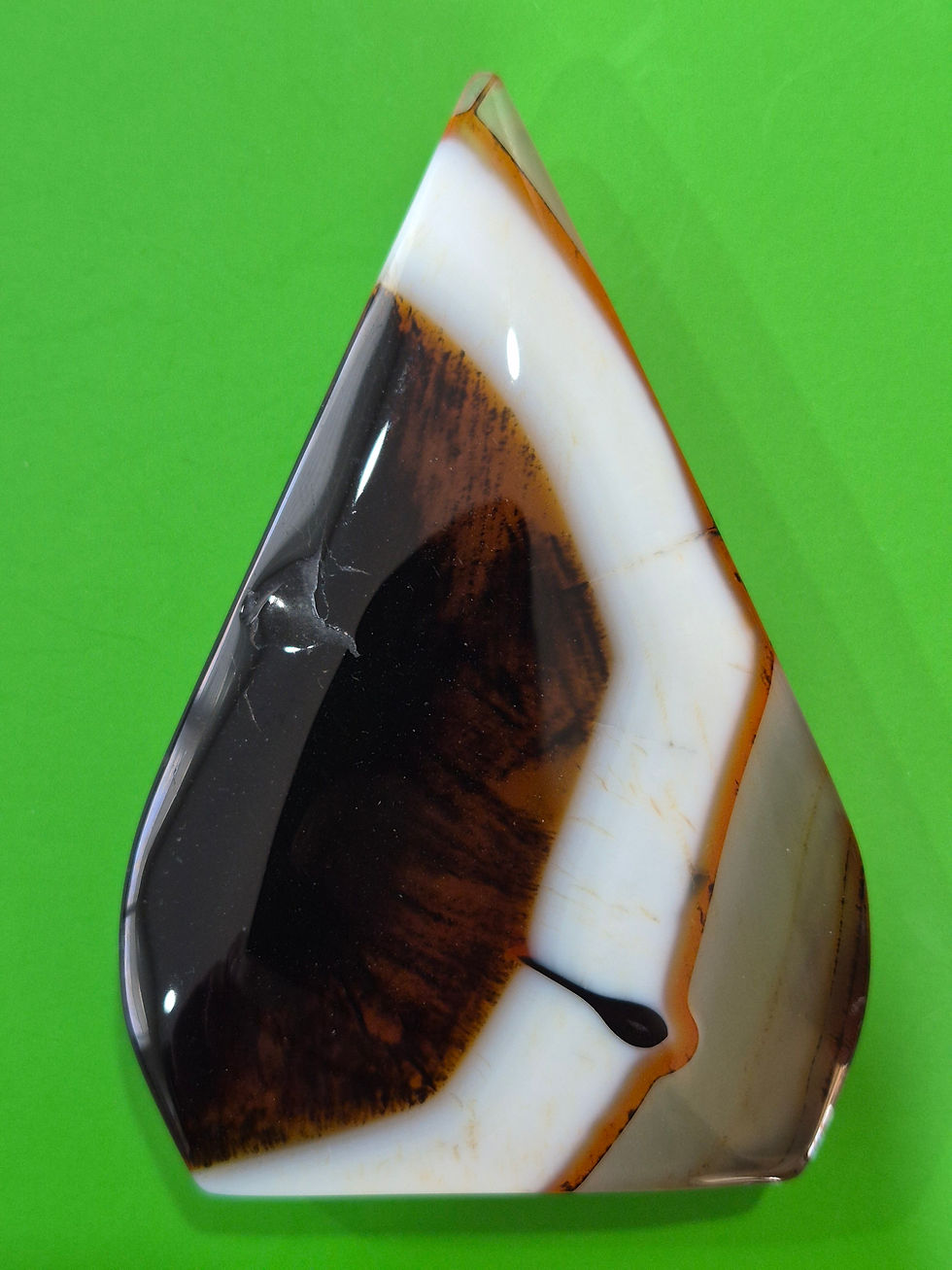
Sardonyx is a variety of onyx, a type of chalcedony quartz. What sets sardonyx apart is its unique layering of sard and onyx bands. Sard is a reddish-brown chalcedony, while onyx typically appears in black or white bands. When these layers alternate, they create the characteristic striped pattern of sardonyx. The colors range from deep reds and browns to creamy whites, making each stone visually distinct.
This gemstone forms in volcanic and sedimentary rocks, often found in regions with ancient lava flows. Major sources include India, Brazil, and parts of the Mediterranean. The stone’s hardness, about 6.5 to 7 on the Mohs scale, makes it suitable for carving and jewelry.
Historical Significance of Sardonyx
Sardonyx has a long history dating back to ancient civilizations. The Greeks and Romans prized it for its beauty and symbolic meanings. They often carved sardonyx into cameos and intaglios, using the layered colors to create detailed portraits and scenes. These carvings were worn as amulets or used as seals.
In Roman culture, sardonyx was believed to bring courage and protect against evil. It was associated with Mars, the god of war, and was thought to strengthen the wearer’s resolve in battle. The stone also appeared in medieval European jewelry, symbolizing strength and protection.
In Islamic art, sardonyx was used for intricate carvings and inscriptions, valued for its durability and striking appearance. The stone’s layered bands allowed artisans to create contrasting designs that stood out clearly.
Physical and Optical Properties
Understanding the physical properties of sardonyx helps collectors appreciate its uniqueness:
Color: Alternating bands of reddish-brown (sard) and white or black (onyx)
Hardness: 6.5 to 7 on Mohs scale, durable for various uses
Luster: Waxy to vitreous, polished surface shines brightly
Transparency: Translucent to opaque
Structure: Cryptocrystalline quartz with fine grain
Collectors often look for stones with sharp, well-defined bands and vibrant colors. The contrast between the layers enhances the stone’s visual impact.
Uses of Sardonyx Through Time
Sardonyx has served many purposes beyond decoration:
Jewelry: Rings, pendants, brooches, and cufflinks often feature sardonyx. Its layered colors make it ideal for cameos and intaglios.
Seals and Signets: Ancient officials used sardonyx seals to stamp documents, relying on the stone’s hardness and ability to hold fine detail.
Amulets and Talismans: Believed to offer protection, courage, and strength, sardonyx was worn as a spiritual safeguard.
Art and Carvings: Sculptors used sardonyx for small statues and decorative objects, taking advantage of its layered colors to highlight details.
Collectors today value antique sardonyx pieces for their craftsmanship and historical context.

Caring for Sardonyx
Proper care preserves the beauty and longevity of sardonyx:
Cleaning: Use mild soap and warm water with a soft cloth. Avoid harsh chemicals or ultrasonic cleaners.
Storage: Keep sardonyx separate from harder gemstones to prevent scratches. Store in a soft pouch or lined box.
Handling: Avoid exposure to extreme heat or sudden temperature changes, which can cause cracks.
Wear: Sardonyx is durable but can chip if struck hard. Remove jewelry during heavy physical activity.
Following these tips helps maintain the stone’s vibrant bands and polished surface.
Modern Appeal and Collecting Tips
Sardonyx remains popular among collectors for several reasons:
Unique Appearance: No two stones are exactly alike due to natural banding.
Historical Value: Antique sardonyx pieces connect collectors to past cultures.
Versatility: Suitable for various jewelry styles, from vintage to contemporary.
Affordability: Compared to other gemstones, sardonyx offers beauty at a reasonable price.
When collecting sardonyx, consider:
Authenticity: Verify the stone’s origin and natural banding to avoid imitations.
Craftsmanship: Look for quality carvings and polish, especially in cameos.
Condition: Check for chips, cracks, or discoloration.
Provenance: Pieces with documented history add value.
Collectors often seek out sardonyx in estate sales, auctions, and specialty gem dealers.

Final Thoughts on Sardonyx
Sardonyx offers more than just visual appeal. Its layered bands tell a story of geological formation and human artistry. From ancient cameos to modern jewelry, this gemstone connects collectors to history and craftsmanship. Appreciating sardonyx means valuing its natural beauty and the cultural meanings it carries.
For collectors and enthusiasts, exploring sardonyx opens a window into a world where nature and art meet. Whether you seek a striking piece for your collection or a meaningful gift, sardonyx provides a unique and lasting choice. Consider adding this gemstone to your collection to experience its rich heritage and timeless charm.


Comments